

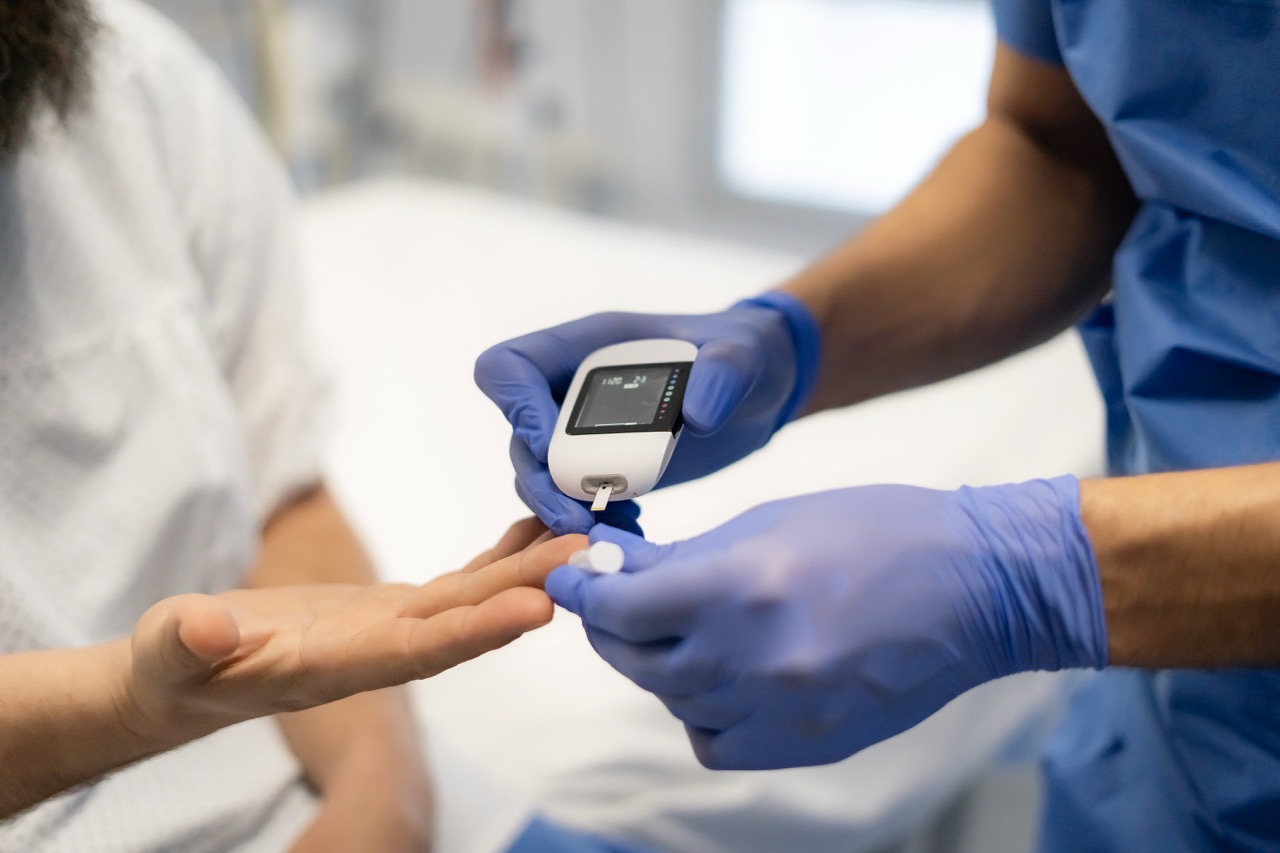
More than 38 million Americans are living with diabetes, and roughly 1 in 5 don't know they have it. An additional 98 million U.S. adults are estimated to have prediabetes, often without any symptoms. The CDC projects that the diabetic population will keep climbing if current trends continue.
The reason this matters at the level of an individual reading a health blog: the disease is largely silent until it isn't, and by the time symptoms appear, complications have often already begun. For most American adults, the question isn't whether to screen, it's when, and how often.
Why your risk may be higher than you think
Family history, ethnicity, and body composition all shape diabetes risk and many people develop insulin resistance and type 2 diabetes at lower body weights and earlier ages than they expect. It's common to accumulate visceral fat, the metabolically active fat around abdominal organs, even when overall body weight remains in a "healthy" BMI range. That visceral pattern is one of the strongest independent predictors of diabetes risk.
The implication: standard screening guidelines, which often recommend testing from age 45, may significantly under-screen higher-risk adults. Many U.S. clinicians now screen earlier when risk factors are present.
When annual screening becomes non-negotiable
If any of the following apply, you should be screened for diabetes at least annually, regardless of how you feel: you're over 30 with a family history, you have a parent or sibling with type 2 diabetes, you've been diagnosed with prediabetes or insulin resistance previously, your BMI is over 25 (or lower if you carry weight around the abdomen), you have polycystic ovary syndrome, you've had gestational diabetes in a previous pregnancy, your cholesterol or triglycerides have been flagged as high, or you spend more than six hours daily in sedentary work.
If three or more of those apply, "annual" is the minimum cadence. Six-monthly is more appropriate.
What tests to ask for
Standard primary care diabetes screening typically includes fasting plasma glucose (a simple morning blood draw after eight or more hours without food), HbA1c (a measure of average blood sugar over the previous two to three months, generally considered the most reliable single test), and postprandial glucose (blood sugar measured two hours after a meal, helpful for detecting earlier-stage insulin resistance).
A normal HbA1c is below 5.7%. Prediabetes range is 5.7–6.4%. Diabetes is 6.5% or higher on two separate readings. The earlier you catch values trending upward, the more leverage you have to reverse them through lifestyle intervention alone.
What lifestyle changes actually help
If you're caught in the prediabetes range, the standard medical recommendation is 30 minutes of moderate physical activity daily (walking is fine), reduction in refined carbohydrates and added sugars, increased dietary fibre intake from vegetables, legumes, and whole grains, and a target weight reduction of 5–7% if applicable. Applied consistently for 12 months, these interventions have been shown to reduce progression to diabetes by over 50% in major clinical studies.
When to escalate to a specialist
If your HbA1c is above 6.5%, you should consult an endocrinologist or diabetologist, not just a general physician. The same applies if you've been on diabetes medication for years and your numbers aren't well controlled, or if you're managing complications like neuropathy, retinopathy, or kidney involvement.
Through seeDoc, you can connect with verified, board-certified endocrinologists for HD video consultations. They can review your test results, recommend specific medication adjustments, and coordinate with diagnostic partners for follow-up testing, all without travelling to a clinic.
Diabetes is one of the few chronic conditions where catching it a year earlier can change the entire arc of your health for the next forty years. Annual screening is the cheapest insurance you'll buy.